
Build Application Without Developer: Turn Your Vision Into Reality in France
As a French SME owner, you've likely experienced the nightmare of working with developers who disappear mid-project, deliver broken code, or charge thousands for simple changes. What if you could build application without developer involvement and maintain complete control over your business software? The no-code revolution makes this possible today...

Why French SMEs Are Abandoning Traditional Development
The traditional development model is broken for small and medium enterprises. You've heard the horror stories from fellow business owners — perhaps you've lived them yourself. A Paris-based retail company paid 40,000 Euro for an inventory system that technically worked but was impossible to use. A Lyon manufacturer watched their Fiverr freelancer deliver half-working code after four months of promises. A Marseille logistics firm discovered their agency-built app came with zero documentation, leaving them stranded when maintenance was needed.
These aren't isolated incidents. They represent a fundamental mismatch between how SMEs need to operate and how traditional development works. When you hire a developer, you're not just buying code — you're entering a dependency relationship that can cripple your business. According to research on software development challenges, over 70% of custom software projects exceed their budget, with SMEs particularly vulnerable to scope creep and developer turnover.
The real cost isn't just the initial investment. It's the ongoing burden of maintenance, the inability to make quick changes, and the constant fear that your developer will quit or disappear. One Toulouse e-commerce business spent 2,000 Euro and waited two weeks for a simple button color change. Another Bordeaux service company is on their third developer and still doesn't have a working product.
The Developer Dependency Trap: Every change requires negotiation, every update costs money, and your business roadmap is controlled by someone else's availability and understanding of your needs.
Build Application Without Developer: How No-Code Changes Everything
The ability to build application without developer expertise fundamentally transforms how SMEs approach digital transformation. No-code platforms use visual interfaces, drag-and-drop components, and pre-built templates that allow business owners and their teams to create sophisticated applications without writing a single line of code.
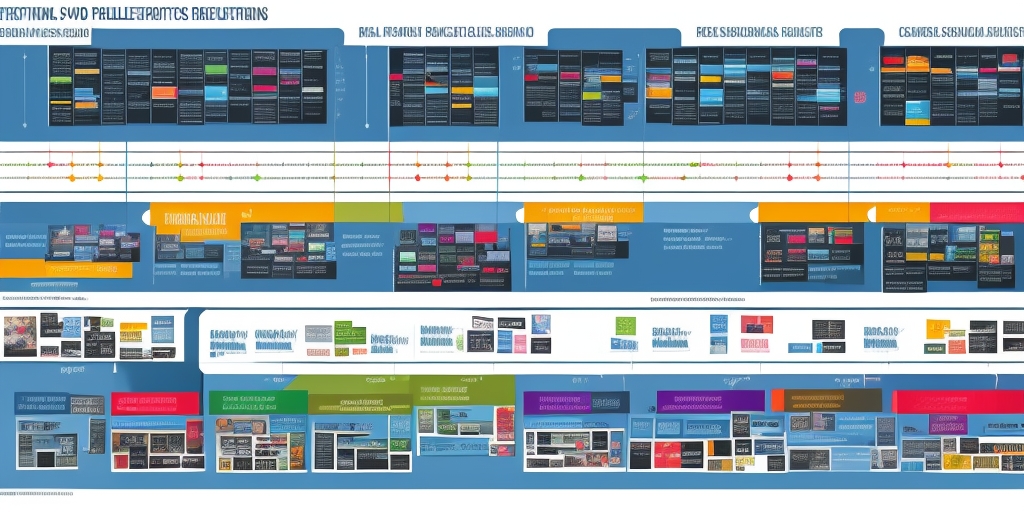
Think of it like building with Lego blocks instead of manufacturing plastic from scratch. You work with proven, tested components that snap together logically. Need a customer database? Drag it onto your canvas. Want automated email notifications? Connect the blocks visually. Require mobile access? It's built-in from the start.
This isn't about replacing highly technical applications that genuinely require specialized coding. It's about the 80% of business applications that follow standard patterns: customer relationship management, inventory tracking, project management, booking systems, approval workflows, and data collection tools. These are the applications where traditional development introduces unnecessary complexity, cost, and risk.
French SMEs using no-code platforms report dramatic improvements in both speed and outcomes. What took four months with a freelancer now takes two weeks with your own team. What cost 40,000 Euro with an agency now costs a fraction with a monthly subscription. What required expensive developers for every change can now be modified by your operations manager in minutes.
Real Problems Solved by No-Code Approaches
Scope Creep Eliminated: You define what you need and build it yourself. No more weekly billing surprises or endless change requests.
Knowledge Retention: When you build it yourself, the knowledge stays in your organization. No more losing everything when a developer quits.
Instant Changes: Need to modify a workflow? Do it yourself in minutes instead of paying 2,000 Euro and waiting weeks.
No Documentation Nightmares: The platform is self-documenting. Anyone with access can see exactly how the application works.
What You Can Actually Build Without Developers
When French SME owners first hear about no-code, the natural question is: "But can it handle my specific needs?" The answer for most business applications is a resounding yes. Modern no-code platforms have evolved far beyond simple form builders into sophisticated application development environments.
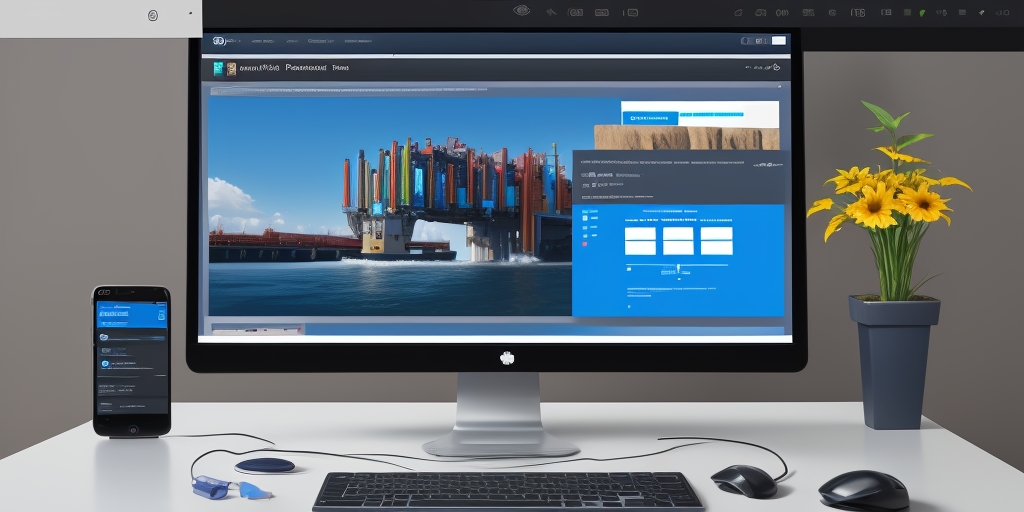
You can build customer portals where clients access their account information, place orders, and track deliveries. You can create internal operations tools that manage inventory, schedule resources, and coordinate team workflows. You can develop data collection systems that replace spreadsheets with proper databases, complete with validation rules and automated calculations. You can design approval workflows that route documents through your organization with full audit trails.
A Nantes manufacturing company built their entire production scheduling system without developers, integrating it with their existing equipment sensors. A Nice hospitality business created a comprehensive booking and guest management platform that replaced three separate purchased software packages. A Strasbourg consulting firm developed their project management and time tracking application tailored precisely to their methodology.
The key difference from traditional development is iteration speed. When you discover something doesn't work quite right, you fix it immediately rather than creating a change request ticket and negotiating costs. When market conditions shift and you need new functionality, you add it yourself rather than hunting for a developer who understands your existing codebase.
Integration Capabilities Matter
One concern SME owners rightfully raise is integration with existing systems. Modern platforms that let you build application without developer complexity offer extensive integration capabilities. They connect to popular accounting software, marketing automation tools, payment processors, and cloud storage services through pre-built connectors. For custom integrations, many platforms provide API capabilities that your IT-savvy team members can configure without traditional programming.
This integration capability also future-proofs your investment. Unlike custom code that a developer built to specifications from three years ago, no-code platforms continuously update their connectors and capabilities. When new services emerge or regulations change — such as new reporting requirements — the platform adapts, and your applications benefit automatically.
Making the Transition: From Developer Dependency to Self-Sufficiency
The journey to building applications without developers doesn't require technical expertise, but it does require a mindset shift. You're moving from specifying requirements for someone else to build, to designing and constructing solutions yourself. This transition empowers your team and fundamentally changes how your business approaches technology.
Start by identifying a specific pain point — perhaps a spreadsheet process that's become unwieldy, or a manual workflow that wastes hours each week. Use this as your first no-code project. The learning curve is measured in days, not months. Most SME owners who attend a structured demo and training session can build their first functional application within a week.
The beauty of this approach is risk reduction. Unlike traditional development where you commit tens of thousands upfront (often paying 50% before seeing any results), no-code platforms typically operate on monthly subscriptions. You can prototype, test, and validate your application before significant investment. If something doesn't work, you rebuild it in days rather than abandoning a failed 40,000 Euro project.
Ready to Break Free from Developer Dependency?
See exactly how French SMEs are building professional applications without hiring developers. Our demo shows your specific use case in action.
Book Your Free DemoYour Questions About Building Applications Without Developers
What happens when we need something truly custom? While no-code handles 80% of business applications perfectly, some scenarios do require traditional development. The difference is knowing this upfront rather than discovering mid-project that what you paid for doesn't meet your needs. Many businesses use a hybrid approach: no-code for standard processes and targeted development only where genuinely necessary. This dramatically reduces development costs and risk.
Is our data secure on these platforms? Reputable no-code platforms invest heavily in security — often more than individual SMEs could achieve with custom code. They handle encryption, backup, access control, and RGPD compliance as core platform features. Your data typically resides in secure European data centers subject to French and EU regulations. This is actually more secure than custom code where security depends entirely on your specific developer's expertise and diligence.
What if the platform company goes out of business? Leading platforms provide data export capabilities, ensuring you're never locked in. Additionally, established no-code platforms often have larger user bases and more sustainable business models than the precarious situation of depending on a single freelance developer who might disappear or a small agency that might close. For critical systems, look for platforms offering dedicated support agreements for business customers.
The fundamental question isn't whether you can build applications without a developer — clearly you can. The question is whether you're willing to continue accepting the broken traditional model: the scope creep, the disappeared freelancers, the 40,000 Euro mistakes, the documentation nightmares, and the 2,000 Euro button changes. Or whether you're ready to take control of your business technology on your terms.
Transform Your SME's Approach to Technology
Join hundreds of French SMEs who've eliminated developer dependency. See your specific use case built in real-time during a personalized demo with our team.
No obligation. No pressure. Just practical solutions for your business challenges.