
SECR Reporting Data Checklist: Everything You Need to Collect
SECR reporting depends on collecting the right data from the start — energy consumption, emissions, intensity metrics and efficiency actions all have to be gathered before you can calculate anything. This checklist sets out exactly what to collect, in what units, and why each item matters for a complete, defensible SECR disclosure.
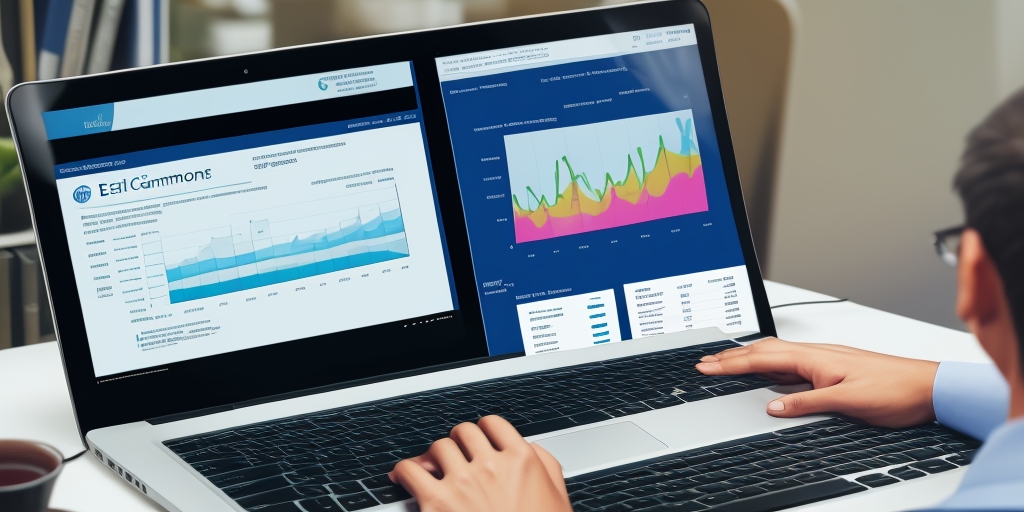
Most SECR delays don't come from the calculations — they come from missing data discovered too close to the filing deadline. A structured checklist, worked through before you start calculating, avoids the retrospective scramble for old utility bills and meter readings.
SECR data checklist at a glance
- Electricity – twelve months of kWh consumption across all UK facilities, offices, warehouses and retail sites within your organisational boundary.
- Natural gas – consumption in kWh or cubic metres for heating, hot water or industrial processes.
- Heating oil – litres purchased and consumed during the reporting period, where applicable.
- Transport fuels – petrol and diesel for company-owned or controlled vehicles, frequently overlooked but mandatory to include.
- Renewable electricity – green electricity consumed, including any REGO certificates, useful evidence for your efficiency actions section.
Electricity and gas data
SECR requires Scope 1 and Scope 2 emissions at minimum, expressed in tonnes of CO2e. Scope 1 covers sources you directly control — company vehicles, gas heating and on-site fuel combustion. Scope 2 covers emissions from purchased electricity, converted using the UK Government's annual emissions conversion factors, which update each year to reflect the changing carbon intensity of the grid.
Scope 3 isn't mandatory under SECR, but many organisations report it voluntarily. If you do, extend your checklist to cover business travel in rental or personal vehicles, employee commuting, waste disposal and purchased goods and services.
Fuel and transport data
Your report needs at least one intensity metric — emissions per employee (using average FTE, not a point-in-time headcount), emissions per £million of turnover, or emissions per square metre of floor space. Gather the denominator data across the same reporting period as your energy figures: turnover from your financial statements, FTE numbers from HR, and floor space across all occupied premises in your organisational boundary.
Document your organisational boundary itself — which legal entities and operations are included — and note any significant changes during the period, such as acquisitions, divestments, or facility openings and closures. These details explain year-on-year variation and support transparency with stakeholders.
Essential data points for your SECR checklist
- Energy consumption: electricity, natural gas, heating oil, transport fuels (kWh or litres)
- Organisational boundary: list of all UK entities and facilities included in scope
- Reporting period: start and end dates aligned with the financial year
- Emissions factors: relevant UK Government conversion factors for the reporting year
- Intensity metrics: denominator data (turnover, FTE, square footage, etc.)
- Prior year data: comparative figures for energy and emissions
- Energy efficiency actions: documentation of implemented and planned measures
Orgnisational and reporting boundary data
SECR requires disclosure of energy efficiency actions taken during the reporting period. Compile records of LED lighting upgrades, heating system improvements, insulation installations, fleet replacements, renewable energy installations and behavioural change programmes, noting the implementation date and any estimated energy or cost savings for each.
Record your methodology alongside the numbers: which emissions factors were applied, how any missing data points were estimated, and what exclusions were made and why. This transparency supports the accuracy of your report and matters most if you seek external assurance or face stakeholder questions.
Intensity ratio data
Rather than gathering twelve months of data in one annual scramble, many organisations set up quarterly or monthly collection routines. This distributes the workload, improves data accuracy, and lets you track progress toward emissions reduction targets throughout the year rather than finding out your performance only at reporting time.
Previous year comparatives
- What's the minimum data I need for SECR?
UK energy consumption (electricity, gas, transport fuels), Scope 1 and Scope 2 emissions in tCO2e, at least one intensity metric, and a narrative on energy efficiency actions. - Do I need to report Scope 3 emissions?
No, Scope 3 is voluntary under SECR, though some organisations include categories like business travel or purchased goods for a fuller picture. - What if some consumption data is missing?
Estimate it using a reasonable, documented methodology and record what was estimated and why — this protects your report under audit or stakeholder scrutiny. - Which intensity metric should I choose?
Pick whichever best reflects your business — emissions per employee suits service businesses, per turnover suits varied-size comparisons, and per floor area suits property-heavy operations.
Ready to simplify your SECR data collection?
Get a tailored data checklist and collection framework built around your organisation's structure and sites.